A Life Devoted to Equality
Early Life
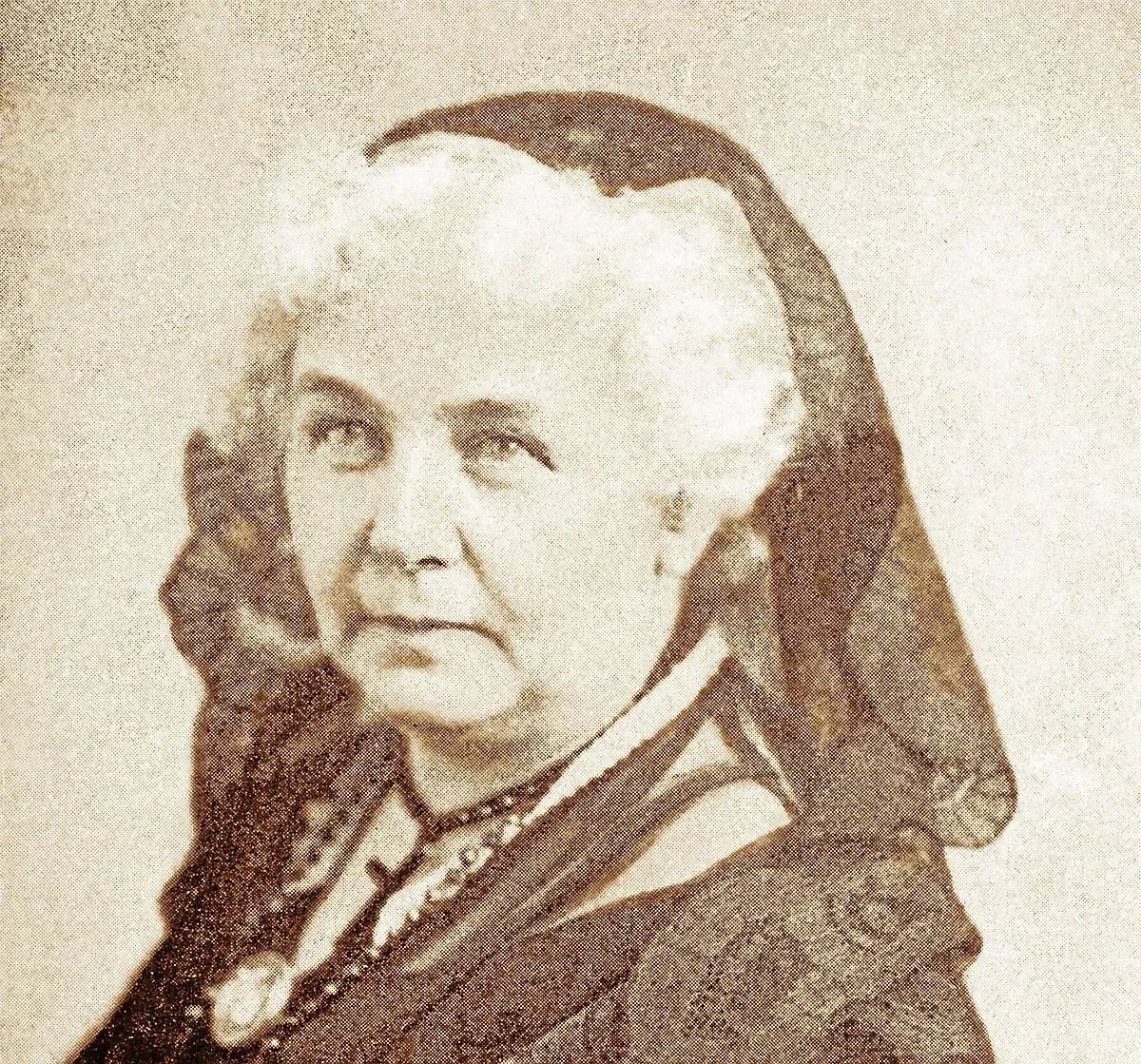
Elizabeth Cady Stanton was the eighth of eleven children born to Daniel Cady, a well-known judge, lawyer, and congressman, and Margaret Livingston Cady, a strong and independent woman. She had a mighty sense of justice and a fierce intellect, due to the fact that she grew up in a house filled with law and civil reform. She received an education that few women of her time had the opportunity for at Johnstown Academy and then Emma Willard's Troy Female Seminary. Later in life, these experiences of her early life deeply affected her career in advocating for women's rights.

The Beginning of a Battle
In 1840, Elizabeth Cady Stanton married her husband Henry Brewster Stanton, an abolitionist. For their honeymoon, they traveled to London for the World Anti-Slavery Convention, where all women were barred from fully participating. This angered Stanton and led her to meet Lucretia Mott, whom she would work closely with in the future. They both decided that something must be done to get women the rights that they deserve.

The Movement Begins
Stanton hosted and assisted in the creation of many different protests, movements, and conventions for woman suffrage throughout her lifetime. She constantly pushed her way toward equal rights for everyone. One of her most known conventions is the Seneca Falls Convention in 1848. Lucretia Mott, Martha Coffin Wright, Mary Ann McClintock, Jane Hunt, and Elizabeth Cady Stanton planned this as a way for women to show their anger and need for change. Stanton wrote the Declaration of Sentiments at the convention, which launched the woman's rights movement.
New Friends
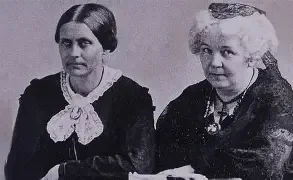
Elizabeth Cady Stanton worked with and befriended many well-known civil rights activists. One of her closest friends was Susan B. Anthony. They worked together on many projects throughout the years, including the creation of the National Woman Suffrage Association. While her children were growing up, Stanton was unable to travel as often to give lectures. Instead, she wrote speeches for Susan B. Anthony, which she would deliver across the country. Additionally, she was good friends with Fredrick Douglass. They shared similar beliefs and supported each other in their quests for freedom.

Later Life
After the 19th Amendment was passed, Stanton had fewer active movements to conduct. Instead, she took to writing. She continued to work with Susan B. Anthony along with Martha Joslyn Gage writing the first three novels of The History of Woman Suffrage. She also wrote essays on women's rights to vote, divorce and marriage laws, and the independence of women.
A Lasting Impact
Elizabeth Cady Stanton's life was vital to the progression of woman's rights. She left an impact on how the world views woman for the rest of time. Though women may not have complete equality, they took a huge step towards it with Stanton's help.
"The history of the past is but the record of humanity's progress."
Elizabeth Cady Stanton